

Few travel moments trigger panic quite like reaching into your bag and realising your essential prescription medication is missing. Whether it fell out during a walk, was left behind in a hotel safe, or was stolen with your luggage, losing vital medication in a foreign country can feel overwhelming.
When you are far from home, facing unfamiliar health systems and steep language barriers, getting a replacement isn't as simple as walking into a local chemist and asking for a refill. However, taking a breath and following a clear process can help you manage the situation safely.
Step 1: Do Not Panic or Attempt Unverified Substitutes
Your immediate instinct might be to walk into the nearest pharmacy and point at a similar-looking pill box. Avoid this. Drug branding, dosages, and active ingredients vary drastically from country to country.
A drug sold over the counter in one region might contain different active ingredients from those you take back home, or it may have a completely different strength. Never purchase unverified local equivalents without a medical professional’s guidance.
Step 2: Know the Generic (ATC) Name, Not Just the Brand
If you take Lipitor, a pharmacist in Tokyo or Madrid may not recognise the name. What they will recognise is the active chemical ingredient: Atorvastatin.
Before attempting to source a replacement:
- Look up the generic chemical name of your medication.
- Find out the precise milligram dosage and your standard daily regimen.
- If you have a digital copy or photo of your original prescription, locate it immediately.
Step 3: Consult a Local Medical Professional or Pharmacist
In most countries, pharmacists cannot legally dispense prescription-only medications—especially controlled substances such as blood pressure regulators, insulin, or pain-management drugs—without a local doctor's authorisation.
- For minor/over-the-counter maintenance meds: Visit a local pharmacy. If you can provide the exact generic compound and dosage, the pharmacist may be able to guide you on local regulations or direct you to a nearby clinic.
- For critical prescription meds: You will likely need a local doctor to write a new prescription. Ask your hotel concierge, your travel insurance provider, or your country's local embassy for a list of accredited clinics that speak your language.
Step 4: Contact Your Travel Insurance Assistance Line
Call your travel insurance's 24/7 medical emergency hotline. Insurance providers frequently assist with:
- Locating reputable, vetted clinics nearby.
- Arranging emergency consultations with local physicians.
- Guaranteeing payment or reimbursing the cost of emergency replacement prescriptions.
How World Medical Card can Help if you Lose Your Medication
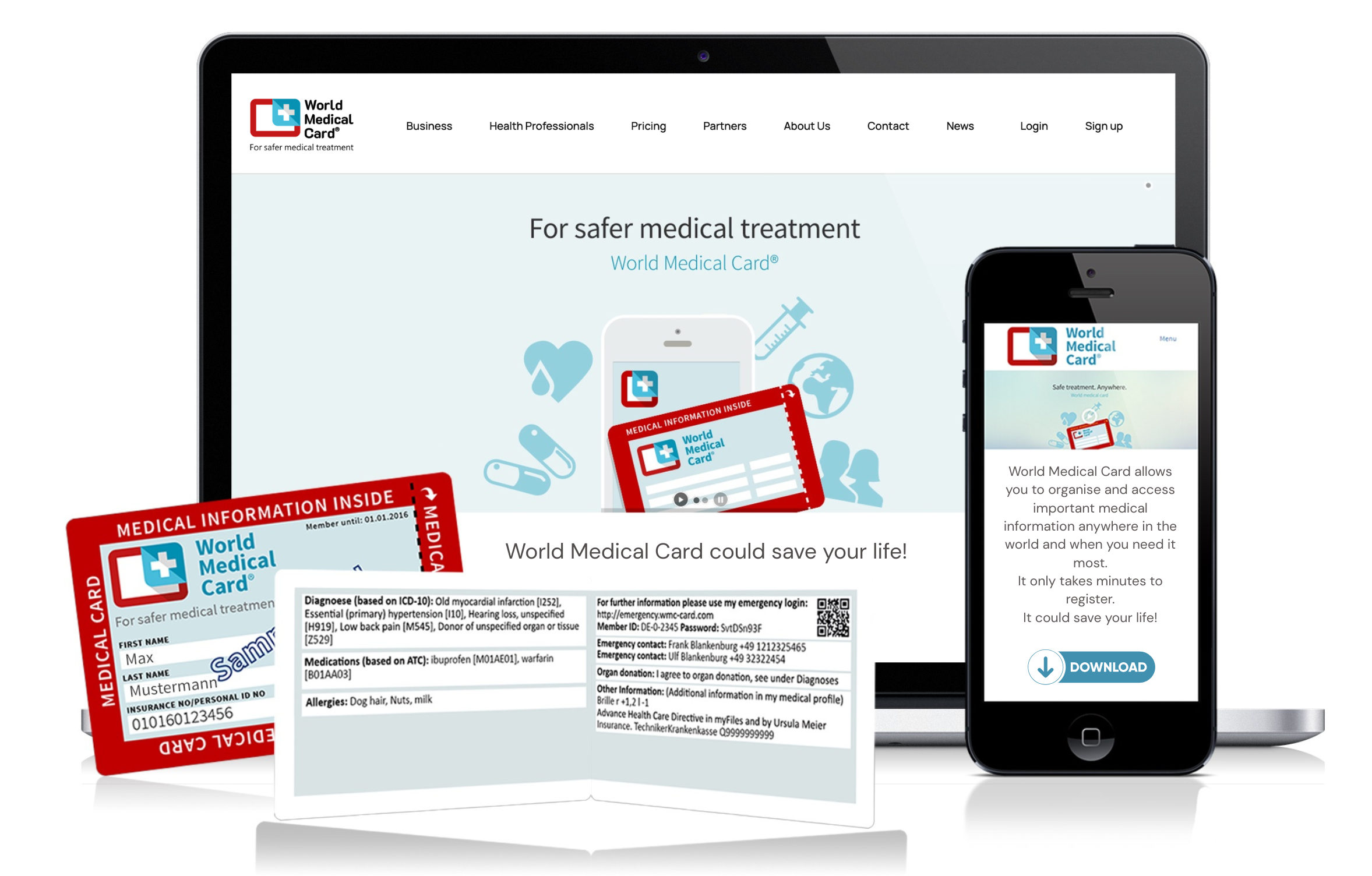
While the steps above will help you resolve an emergency, the process can take hours, or even days, if you cannot clearly explain your medical history to a local physician. This is precisely why thousands of global travellers carry the World Medical Card (WMC).
The World Medical Card acts as your global medical passport, designed specifically to eliminate language barriers, delays and medical guesswork when you need care abroad.
1. Universal WHO Coding Systems
World Medical Card translates your active medications and diagnoses into the World Health Organization's international ATC (Anatomical Therapeutic Chemical) and ICD-11 coding systems. Local doctors and pharmacists anywhere in the world instantly recognise these global medical codes, allowing them to identify your exact treatment in seconds, regardless of local brand names.
2. Instant Translation in Over 130 Languages
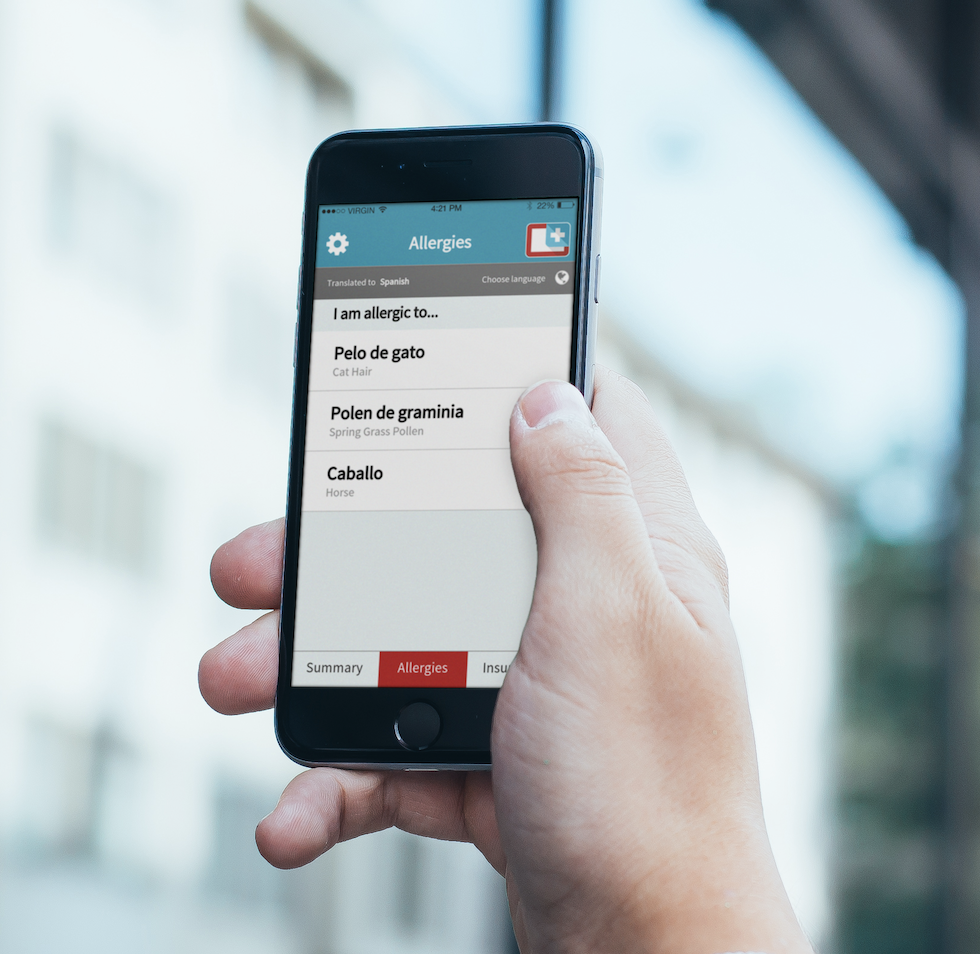
If you need to explain an allergy, a chronic condition, or a complex prescription to a doctor who doesn't speak your language, the WMC app translates medicines and medical conditions into over 100 languages on demand.
3. Integrated Location Services
Stuck in an unfamiliar city? The World Medical Card app uses built-in location services to help you instantly pinpoint nearby hospitals, medical clinics, and pharmacies, saving crucial time when your medication runs out.
4. Dual Digital and Physical Backup
Phones get lost, and batteries die. That’s why WMC provides both a secure mobile app and a physical emergency card containing a secure login code for first responders and doctors. Even if your phone is missing, local medical staff can securely access your vital health profile.
Travel Prepared, Travel Safely
Losing medication abroad doesn't have to ruin your trip or compromise your health. By keeping a digital health record, knowing your generic dosages, and carrying a World Medical Card, you ensure that doctors worldwide can provide accurate care without delay.
Don't wait for an emergency away from home. Set up your global health profile with World Medical Card before your next departure.